
What to Expect During the Restoration Process
People seeking storm restoration can expect local contractors to assess damage, repair affected areas, and restore their property efficiently and reliably.
Understanding what to expect during the restoration process can help property owners feel more prepared and confident when navigating storm recovery. Whether dealing with minor damages or more extensive repairs, knowing the typical steps involved can reduce uncertainty and make the experience smoother. Local contractors experienced in storm restoration are familiar with these procedures and can guide property owners through each phase, ensuring that the work is handled efficiently and effectively.
For those in areas prone to storms, exploring restoration options is a practical step toward protecting property value and maintaining safety. Local service providers offer expertise in restoring homes and businesses after storm-related damage, helping owners understand what will happen during repairs and what to anticipate along the way. Continuing to read can provide valuable insights into the process, empowering property owners to make informed decisions when working with local professionals on storm restoration needs.
- Roof Damage Repair - homeowners experiencing roof leaks or storm-induced damage can rely on local contractors to assess and restore roofing systems effectively.
- Siding Replacement - after severe weather, service providers can handle siding repairs or replacements to protect the home’s exterior.
- Gutter and Drainage Services - storm-related debris and water issues may require local pros to clean or replace gutters to prevent future damage.
- Interior Water Damage Restoration - flooding or leaks caused by storms often lead to interior damage that local specialists can address through drying and repairs.
- Storm Damage Inspection - property owners can have local contractors evaluate storm impact and determine necessary restoration steps during the process.
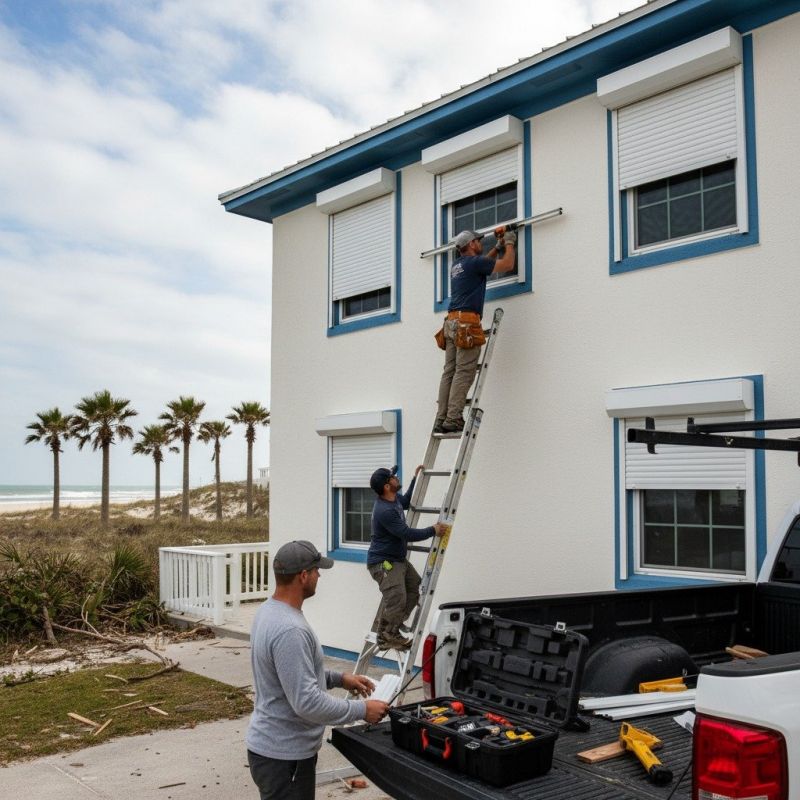
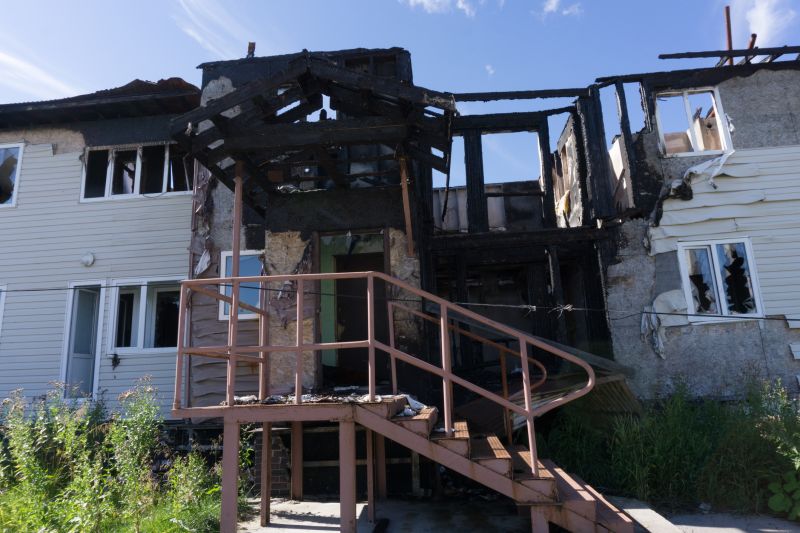
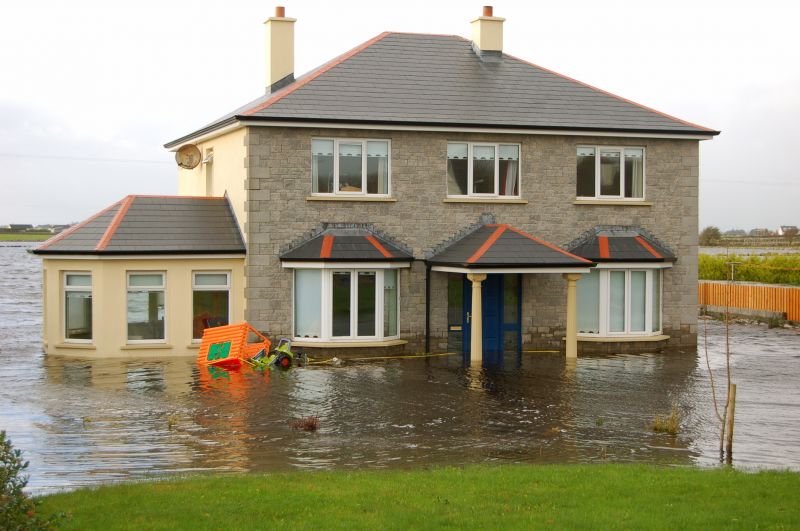
Understanding what to expect during the restoration process can help homeowners feel more prepared when dealing with storm-related damage. Typically, this process begins with an assessment of the property’s condition, where local contractors evaluate the extent of the damage caused by weather events such as hurricanes, heavy rain, or hail. Homeowners often seek guidance on how repairs will unfold, what steps are involved, and how long the process might take. Knowing these details can reduce uncertainty and help homeowners coordinate other aspects of their recovery, like temporary housing or insurance claims. Local service providers are experienced in guiding clients through each phase, ensuring that the restoration aligns with the specific needs of the property.
The restoration process is usually related to problems that arise from storm damage, including roof leaks, structural issues, water intrusion, and compromised exteriors. Many property owners plan to restore their homes to a safe and livable condition after severe weather events. This can involve a variety of repairs, from replacing damaged roofing and siding to repairing or replacing compromised framing and insulation. For homeowners, understanding what to expect during the restoration process helps clarify how different issues will be addressed and what the overall scope of work might involve. Local contractors specializing in storm restoration are equipped to handle these problems efficiently, providing solutions tailored to the specific damage.
Properties that typically come up during storm restoration projects include residential homes, multi-family dwellings, and small commercial buildings. Single-family houses are the most common, especially in areas prone to severe weather, but larger complexes may also require extensive repairs. Storm damage can affect all parts of a property, from the roof and exterior walls to the foundation and interior spaces. Homeowners should be aware that the restoration process may involve multiple phases, including debris removal, structural repairs, and finishing work. Local service providers are familiar with the unique challenges posed by different property types and can help ensure that the restoration process proceeds smoothly, restoring the property to a safe and functional condition.
During the restoration process, homeowners can generally expect a structured approach that begins with damage assessment and planning, followed by repair work, and concludes with final inspections. Throughout each phase, local pros will communicate what work is being done, why it’s necessary, and how it fits into the overall recovery plan. Homeowners should be prepared for potential disruptions, such as temporary loss of access to certain areas or the presence of construction equipment. However, experienced local contractors aim to coordinate their work efficiently and with minimal inconvenience. Understanding what to expect during the restoration process ensures that property owners can stay informed and involved, helping to facilitate a smoother experience from start to finish.
Water Damage Restoration - this type of project involves assessing and repairing water intrusion, which shares planning and moisture management skills with storm restoration efforts.
Roof Repair and Replacement - repairing or replacing damaged roofing requires similar knowledge of weather-related impacts and structural considerations as storm restoration services.
Structural Damage Repair - restoring compromised building frameworks involves planning and reinforcement techniques comparable to those used in storm damage recovery.
Mold Remediation - addressing mold growth after water intrusion involves moisture control and surface cleaning skills similar to storm restoration processes.
Siding Replacement - replacing damaged exterior siding requires coordination, material selection, and planning akin to storm damage repairs.
Emergency Board-Up Services - securing properties after storm-related damage involves quick assessment and protection measures similar to initial restoration steps.

When evaluating storm restoration services, it is important to consider the experience of local contractors with similar projects. An established service provider who has handled storm-related damage in the past is more likely to understand the typical challenges and necessary steps involved in the restoration process. Homeowners should look for contractors who can demonstrate familiarity with the scope of work involved in storm damage, as this can help ensure a smoother and more predictable experience during what to expect during the restoration process.
Clear, written expectations are essential when choosing a service provider for storm restoration. Reputable local contractors should be able to provide detailed documentation outlining the scope of work, the stages involved, and what the homeowner can anticipate at each step. Having this information in writing helps prevent misunderstandings and provides a transparent overview of the process, making it easier for homeowners to prepare and understand what is involved during the restoration.
Good communication and reputable references are key indicators of a reliable service provider. Homeowners should seek out local contractors who are known for maintaining open lines of communication, providing updates throughout the project, and addressing questions promptly. Additionally, checking references or reviews can offer insights into the experiences of other homeowners, helping to gauge the contractor’s professionalism and reliability. These factors contribute to a more confident and informed approach to managing expectations during the storm restoration process.
Property owners often search for what to expect during the restoration process when they are planning practical projects around their homes and businesses. Local pros provide Storm Restoration services for everyday jobs and straightforward project options.
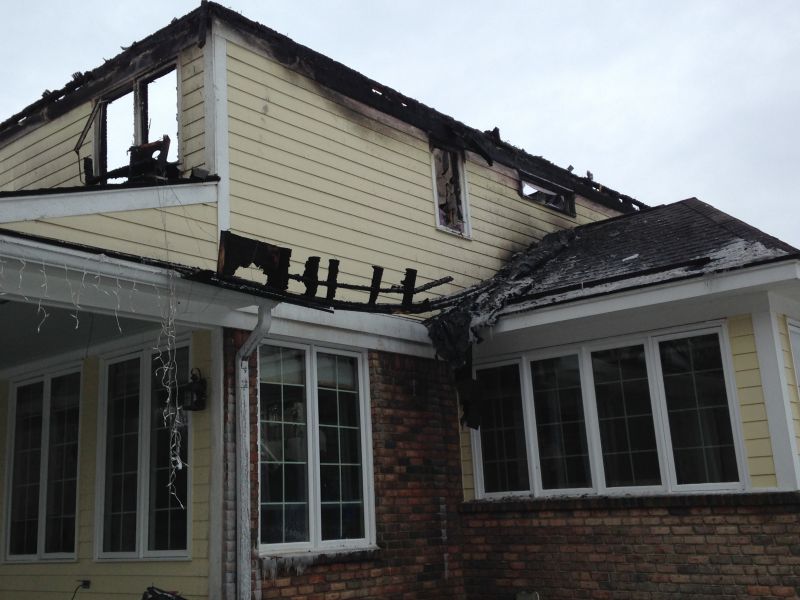
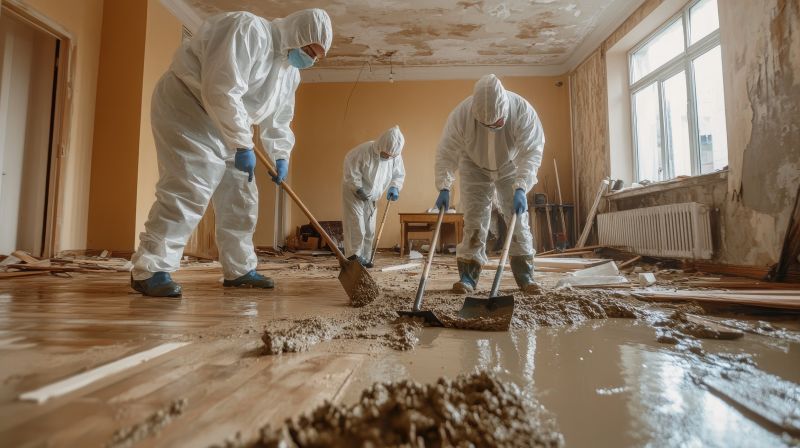
During the storm restoration process, property owners can typically expect a series of coordinated steps carried out by local contractors to return their homes or businesses to their pre-storm condition. This often begins with an assessment of the damage, where service providers evaluate the extent of the impact and determine the necessary repairs. As work progresses, there may be periods of disruption, such as temporary barriers, debris removal, or the need to vacate parts of the property. Understanding these common situations helps property owners prepare for the process and stay informed about what’s happening on-site.
Many property owners look up information about storm restoration services to better understand what to expect during the restoration process. They often want reassurance that experienced local contractors will handle their property with care and efficiency. Typically, the restoration involves damage repairs, cleanup, and sometimes reconstruction, all aimed at restoring safety and functionality. Knowing that local service providers are familiar with the common challenges following storms can provide peace of mind, ensuring property owners are aware of the general steps involved and the importance of professional assistance in navigating the process smoothly.
What happens during the restoration process after storm damage? During storm restoration, local contractors typically assess the damage, secure the property, and begin repairs such as roof, siding, or window replacements to restore the home to its pre-storm condition.
How do local service providers handle debris removal and cleanup? Storm restoration professionals usually include debris removal and cleanup as part of their services to ensure the property is safe, clean, and ready for the final repairs.
What types of repairs are common during storm restoration? Common repairs include fixing roof leaks, replacing damaged siding, repairing or replacing windows, and addressing water intrusion to prevent further issues.
Will the restoration process involve inspections and assessments? Yes, local contractors typically perform inspections and assessments to determine the full extent of storm damage and plan appropriate repairs accordingly.
What should be expected during the final stages of storm restoration? In the final stages, service providers usually focus on completing repairs, conducting quality checks, and ensuring the property is restored to its previous condition before concluding the work.
Initial Inspection - Local contractors will assess storm damage to identify affected areas and determine necessary repairs, helping property owners understand the scope of work.
Damage Documentation - Service providers can document the extent of storm-related damage, which is useful for insurance claims and planning restoration steps.
Temporary Protection - Pros often implement temporary measures like tarping or boarding up to prevent further damage while preparing for full repairs.
Restoration Planning - Local experts will develop a detailed plan for restoring the property, ensuring all storm-related issues are addressed efficiently.
If you are thinking about what to expect during the restoration process for a property, this guide is meant to help you understand this topic, the typical project types, and how different options might fit your plans.
When you are ready, you can use the quote form on this page to share a few details about your project. From there, local pros can review the basics and follow up with options that match what you have in mind.