
Essential Products For Storm Restoration And Property Protection
Identify key items necessary for restoring and safeguarding your property following storm-related incidents.
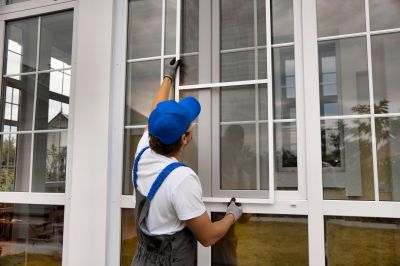 Storms can cause significant damage to properties, especially in regions like Downingtown, PA where severe weather events are not uncommon. Proper storm restoration products are essential for repairing and safeguarding homes and buildings after weather-related incidents. These products range from structural repair materials to protective coverings, designed to withstand the elements and facilitate efficient restoration efforts.
Top Overall Option
Heavy-Duty Weatherproofing Membrane
A versatile, durable membrane designed to provide a reliable barrier against water intrusion and wind infiltration. It is suitable for roofing, siding, and foundation repairs, offering long-lasting protection in storm-prone areas. Easy to install with proper sealing techniques, this product helps reinforce structures during the restoration process.
Types of Products For Storm Restorations
Roofing Shingles
Various types of shingles designed for storm resistance, including asphalt, metal, and synthetic options to restore or reinforce roofs.
Roof Sealants and Coatings
Waterproof sealants and protective coatings that help seal leaks and add an extra layer of defense against future weather exposure.
Siding Panels
Durable siding materials such as vinyl, fiber cement, or metal panels to replace or repair damaged exterior walls.
Flood Barriers and Sandbags
Temporary and permanent flood mitigation products designed to divert or contain floodwaters during storms.
Structural Reinforcement Materials
Steel braces, hurricane straps, and other hardware to strengthen vulnerable structures against high winds.
Insulation and Weatherproofing Foam
Insulation products that help prevent moisture intrusion and improve thermal resistance after storm damage.
Window and Door Covers
Impact-resistant shutters, storm panels, and protective films to safeguard openings from debris and wind.
Gutter and Drainage Systems
Enhanced gutter systems and drainage solutions to prevent water buildup and manage runoff effectively.
Fasteners and Anchors
Heavy-duty nails, screws, and anchors designed for secure attachment of storm-resistant materials.
Temporary Tarps and Covers
Heavy-duty tarps to cover damaged areas temporarily, preventing further water ingress during repairs.
Flood Vents
Vents that allow water to flow through foundation walls, reducing pressure and potential structural damage.
Dehumidifiers and Drying Equipment
Equipment used to dry out flooded or damp areas to prevent mold growth and further deterioration.
Fire-Resistant Barriers
Materials designed to resist fire hazards that may follow storm damage or flooding.
Inspection and Repair Tools
Specialized tools for assessing damage and performing precise repairs after storm events.
Drain Covers and Grates
Protective covers to prevent debris from clogging drainage systems during storms.
Sealant Guns and Applicators
Tools for applying sealants and coatings accurately and efficiently during restoration work.
Popular Choices
Windows designed to withstand debris impact and high winds, common in storm-prone regions.
Robust tarps used for temporary coverage of damaged roofs or walls, providing immediate protection.
Removable panels that can be installed over windows and doors during storms for added security.
Portable barriers that can be deployed quickly to prevent floodwaters from entering properties.
Protective layers installed beneath roofing materials to provide extra water resistance.
Hardware that secures roof trusses and rafters to improve wind resistance.
Sealants used around windows, doors, and joints to prevent water infiltration.
Vents that allow water to flow through foundation walls, reducing structural pressure.
Doors built to resist impact from debris and high winds during storms.
Protect gutters from clogging with debris, ensuring proper drainage during storms.
Devices to remove excess moisture from flooded or damp areas after storms.
Steel braces and supports to reinforce weakened structures against storm forces.
Protective coatings to extend the life of exterior surfaces after storm damage.
Covers that prevent debris from clogging drainage systems during heavy rain.
Tools that help assess damage in hard-to-reach areas after storms.
Tools designed for precise application of sealants and waterproofing materials.
When selecting storm restoration products, it is important to consider their durability, ease of installation, and compatibility with existing structures. Many products are engineered to provide temporary protection during repairs or to serve as long-term solutions for weatherproofing. Using high-quality materials can help minimize further damage, reduce repair times, and improve overall safety for occupants and workers.
In addition to structural components, restoration efforts often involve specialized tools and accessories such as sealants, fasteners, and weather-resistant tapes. These smaller items play a crucial role in ensuring that repairs are secure and resilient against future storms. Proper planning and product selection are key to effective storm restoration, especially in areas prone to frequent or intense weather events.
Overall, the goal of storm restoration products is to restore the integrity of a property while providing a protective barrier against future weather challenges. Whether dealing with roof damage, siding issues, or flooding, having a comprehensive set of products tailored to storm recovery can make the process smoother and more effective. It is always recommended to consult with local experts or suppliers familiar with regional weather patterns to choose the most appropriate solutions for your specific needs in Downingtown, PA.
Key Buying Considerations
- Assess the specific storm risks common to your area, such as high winds, flooding, or hail.
- Choose products with proven durability and resistance to the types of damage expected in storms.
- Ensure compatibility of new materials with existing structures for seamless repairs.
- Prioritize ease of installation, especially for temporary or emergency solutions.
- Consider the longevity and maintenance requirements of the products to ensure lasting protection.
- Evaluate the level of impact resistance, especially for windows and doors in storm-prone zones.
- Check for certifications or compliance with regional safety and building standards.
- Factor in the ease of storage and transportation if products are to be used temporarily or for emergency deployment.
- Determine whether professional installation is recommended or if DIY application is feasible.
- Review customer feedback and product ratings for insights into real-world performance.
- Consider the availability of replacement parts or accessories for ongoing maintenance.
- Think about the environmental conditions, such as humidity and temperature, that could affect product performance.
- Budget for both initial purchase and potential future repairs or replacements.
- Look for products that can be integrated into existing repair plans for comprehensive restoration.
- Ensure that products are suitable for the specific materials and construction types of your property.